Wildlife recording groups are the eyes and ears of the conservation movement, providing up-to-date information about local populations of plants and animals that feeds into local, regional and national conservation and land management strategies.
Is Surrey a hotspot for Dormice?
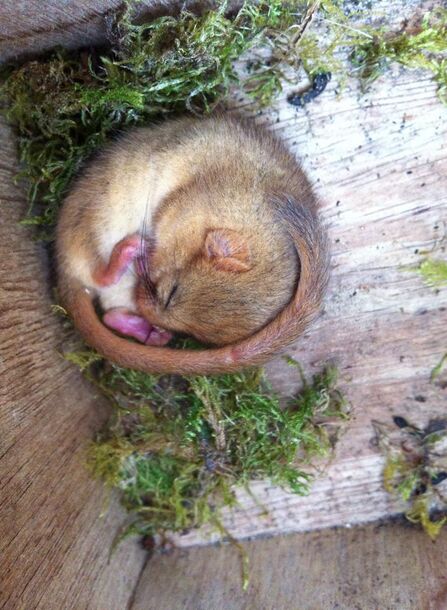
The UK is at the northern edge of the Hazel Dormouse’ range, with most of the population found across southern English counties, including Surrey. The county’s mixed ancient woodland provides the range of food they need - from pollen and insects in spring and summer to fattening berries and nuts in autumn - as well as ideal nest-building materials such as Honeysuckle. They are also found in scrub and hedgerows, which they use to move around the landscape, sometimes even appearing in gardens if there is plenty of connected habitat and food available.
What issues do they face?
Habitat loss and fragmentation, particularly from new development, means that Dormice find it increasingly difficult to find safe places to forage and build their nests. Gradual changes to habitat management practices have meant that some woodlands no longer provide the variety of food that species like Dormice need to thrive.
We don’t yet know the full impact of climate change on Dormice, but it can affect food availability, with heavy rain restricting foraging time and warmer winters meaning they wake more often during hibernation, burning through energy in the process and making it less likely they will survive through to spring.
How can we help Dormice?
We can help by leaving some wild areas, including Bramble, rather than trying to be too tidy. Where housing meets woodland, domestic cats can be major predators of Dormice - but this risk can be reduced by using collars with bells and restricting access to the outdoors overnight while Dormice are active.
Can I get involved?
No experience is necessary! However, Dormice are a protected species and a licence is required by law to disturb them, so you must be with a licensed person to carry out nest box checks. Many of our members are working towards their own licences - a process which typically takes two to three years.
How often do you meet?
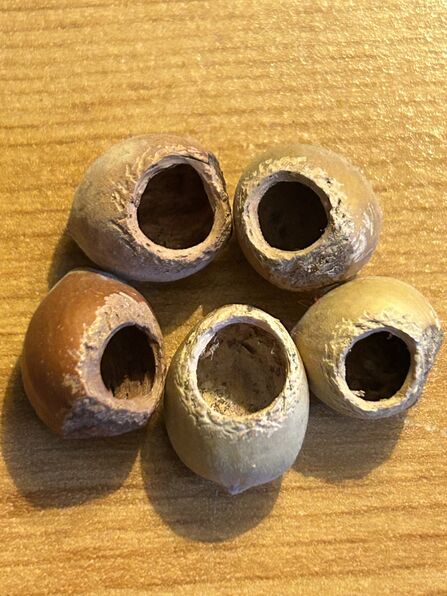
Dormice are nocturnal and arboreal and, consequently, are rarely seen. To enable us to monitor them, we put up nest boxes and check them monthly during the Dormouse active season, from April to November, usually visiting 15-20 different sites in Surrey. We also carry out ‘nut hunts’ where we search for hazelnuts opened by Dormice (which they do in a very distinctive way!) and we conduct footprint tunnel surveys, helping us to locate new dormouse populations.
What methods do you use?
We collect biometric data including weight, sex and breeding condition, feeding this into the People’s Trust for Endangered Species (PTES) database where it is collated, along with data from other counties, as part of the National Dormouse Monitoring Programme.
In winter we carry out habitat management to improve the health of our woodlands by rejuvenating derelict Hazel, selectively removing coppice stools to allow more light to reach the woodland floor, whilst maintaining canopy connectivity and providing a habitat mosaic for a variety of species, not just for Dormice.