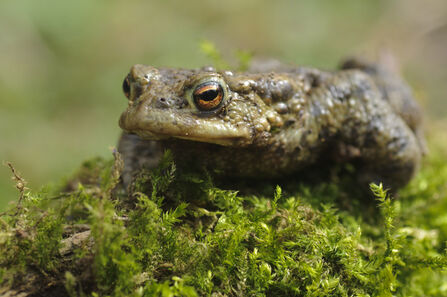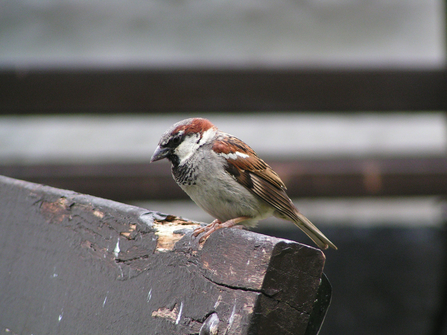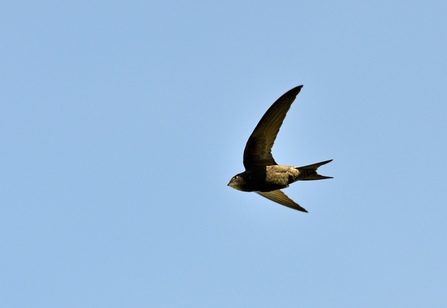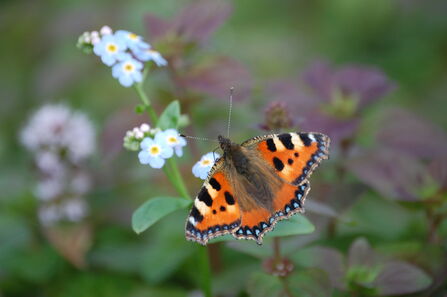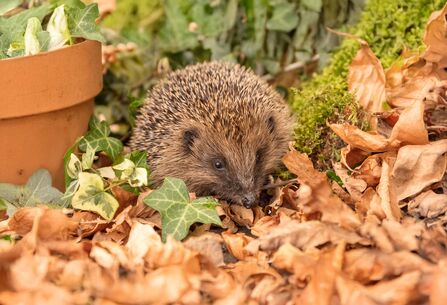
The Trust is aiming to raise £40,000 to scale up its work with Surrey's schools, community groups and landowners, to create and connect wildlife-rich gardens, streets and public spaces. This will help once-common species like Swifts and Slow-worms return to our neighbourhoods. Birds, mammals, amphibians and pollinators, like bees and butterflies, will be able to move safely across town and country habitats to find food and shelter.
Surrey Wildlife Trust’s Claire Harris says:
"Within living memory, our streets, parks and gardens were alive with buzzing insects, hopping frogs, singing birds and bustling Hedgehogs. But due to poorly-planned development, the overuse of pesticides and the practice of creating sterile and lifeless outdoor spaces, wildlife is now disappearing and people are becoming disconnected from nature.
"If more people work with us to help wildlife, we'll bring the joys and benefits nature provides back to our daily lives."
Focusing on residential areas in Surrey, including Farnham, Haslemere, Godalming, Guildford, Dorking, Redhill and Reigate, the Trust plans to:
- Inspire local people to adopt wildlife-friendly practices incorporating Hedgehog highways, nesting opportunities and insect-rich planting.
- Work with more groups like Haslemere’s Biodiversity Wildlife Gardening Project as well as sports, church and gardening clubs.
- Provide advice and training to support the creation of nature-rich corridors through towns, villages and surrounding priority Landscape Recovery Areas, including hedgerows, orchards, road verges, churchyards, playing fields and playgrounds.
- Help communities, schools and landowners to build, fund and maintain habitats themselves, guided by SWT’s experienced naturalists and ecologists.
- Train people to take part in citizen science, feeding back data through simple population surveys and species recording. This will strengthen the Trust's evidence base and help it target local conservation work.
- Invest in education and youth action, including through the Trust's Wilder Schools programme, so the next generation understands how to help wildlife at home.
By 1970 wildlife was already substantially depleted. But since then, the abundance of UK species studied has declined by a further 19%. Nearly one in six species are now at risk of being lost from Great Britain according to 2023 research from The Wildlife Trusts. And Surrey Wildlife Trust's 2017 The State of Nature report revealed that one-third of Surrey's species are in serious decline, with some - like the Wryneck and Pine Marten - already extinct in the county.
The Trust’s Save Surrey's Nature appeal, of which Neighbourhoods for Nature is a part, has so far raised over £500,000 from local donors to support nature's restoration. This has helped protect rare heathland habitats against the risk of wildfires and has enabled research to prepare for the possible reintroduction of Eurasian Beavers to the county's wetlands. The first Beavers, known as nature's ecosystem engineers, could be released soon to help create thriving wilderness areas that support hundreds of other native species and make our landscapes more resilient against climate change.