The greatest show in earth!

The greatest show in earth!

© Ross Hoddinott/2020VISION

Discover the stunning spring wildflowers in bloom at Newdigate Brickworks with Voluntary Warden Stephen Woodcock.

If you like a show, April is the month to come to Newdigate Brickworks Nature Reserve and two things mark it out: for early-risers, an impressive dawn chorus and, for everyone else, a splendid display of woodland flowers. 

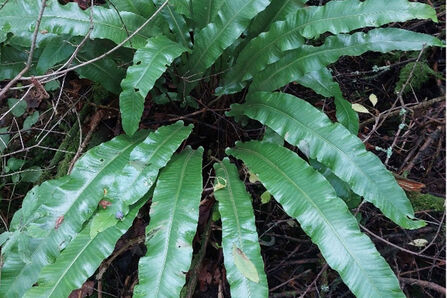
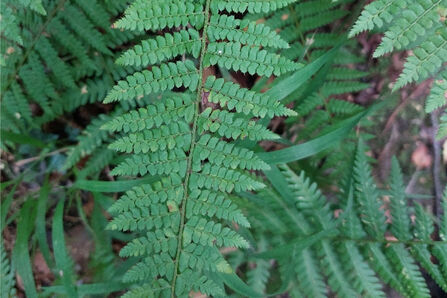
I thought I’d write a few words on a particular group of woodland plants for which Newdigate does tolerably well: Ancient Woodland Indicators. These are plants which are – wait for it – indicative of the presence of ancient woodland or, at the least, of long-standing and healthy coppice woodland. 

At the latest count, Newdigate has 33 of them. They include tree and scrub species as well as the ferns and herbaceous flowering plants of the woodland floor. Among the latter, two are familiar to many people and can come to dominate large areas: Bluebells and Ramsons, and Newdigate has plenty of both.

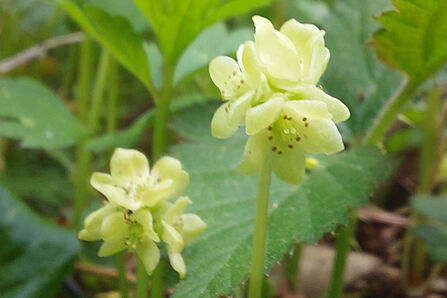
Spring wildflowers at Newdigate Brickworks

© Stephen Woodcock

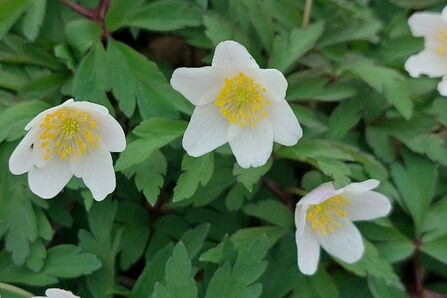
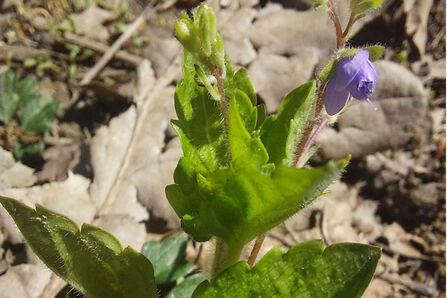
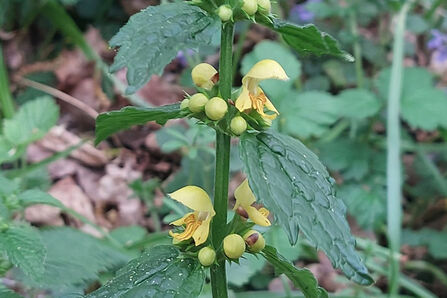
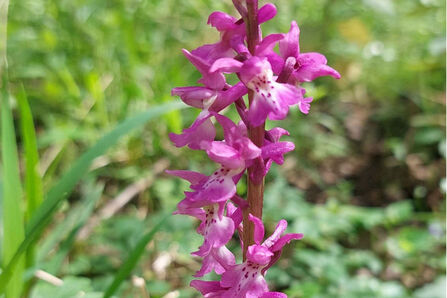
Of course a swathe of bluebells looks fantastic, but a healthy old wood should have a diversity of species and a bit of time taken for a closer look may reveal some of the less obtrusive species in amongst the more familiar. Here are some others found at Newdigate.

So there you are, a couple of ferns and some lovely woodland flowers for you to find at Newdigate. Or are they? (“Woodland flowers”, I mean.) Well, they are certainly flowers and they are certainly found in woodland, but are they specifically woodland flowers? It turns out (to paraphrase Ben Goldacre), it’s probably a bit more complicated than you might think. 

In the December issue of British Wildlife, Ellie Crane of the Bedfordshire and Luton Biodiversity Recording and Monitoring Centre (phew!) argues persuasively that many of the plants we think of as woodland plants – perhaps including some of the species mentioned above – are in fact adapted to more open settings. 

They survive in coppice woodlands, such as that at Newdigate, partly because traditional woodland management keeps the canopy from closing-up and partly because management of the countryside outside our woodlands has deprived them of the other places they might thrive. Some of them at least do cling on in a few non-woodland settings: I can think of Bluebells on a Cornish coastal path, for example, or in the open grassland of Skomer. 

At Newdigate, we could count two more Ancient Woodland Indicators (Tutsan and Slender St John’s-wort) but both have so far only been found outside the woods. In a less managed woodland, these plants would likely give way in time to more shade-tolerant species. 

Ellie Crane thinks some woodlands should be allowed to develop that way, and she makes a strong case. Even so, I imagine maintaining traditional coppice woodland in healthy condition will remain an important conservation objective for much of our woodland for as long as it provides an essential refuge for these delightful plants. So come to Newdigate and enjoy the show!

Finally, a practical note (1) and an important request (2)...

1. Unless the spring stays dry as it did in 2025, prepare for mud, possibly lots of mud, and come in wellies.

2. You can see every plant shown in this article (and many more besides) without leaving the paths, so please keep to them even if they are muddy. 

Stephen Woodcock
Voluntary Warden