Water Voles released at Thundry Meadows

Water Voles released at Thundry Meadows

© National Trust Images - Richard Bradshaw

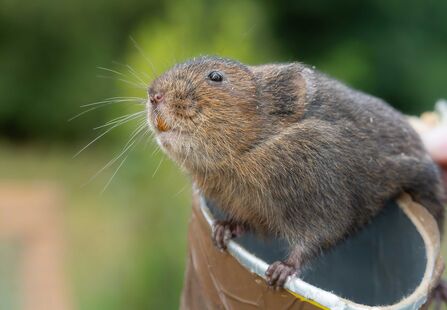
Surrey Wildlife Trust is thrilled to announce the introduction of 30 nationally-endangered Water Voles to its Thundry Meadows nature reserve near Elstead.

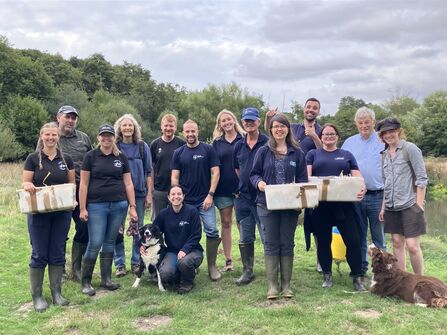
The Water Vole release is part of a huge community effort to bring this locally extinct species back to the River Wey, from the South Downs to the Thames. Led by the National Trust, River Wey Trust and South East Rivers Trust - and funded by the Environment Agency’s Environment Improvement Fund. 

Following successful releases of Water Voles on the upper River Wey, the project has now moved downstream to ten sites between Frensham and Elstead. These include some of the River Wey’s most beautiful rural riverside habitats including Surrey Wildlife Trust’s Thundry Meadows, the Hampton estate, the Countryside Regeneration Trust’s Pierrepont Farm, The Land Trust’s Weyburn Meadows and other private landowners.

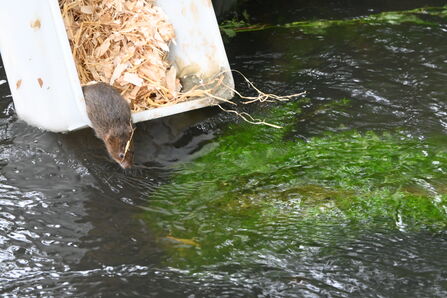
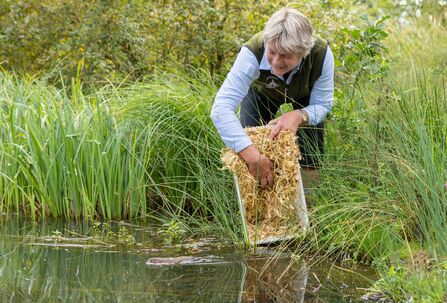
300 Water Voles were raised by project partner Derek Gow Consultancy and introduced in soft-release pens this September, where they have access to plentiful natural food, water and shelter. They've now ventured into the wild at their own pace and the pens have been removed.

It is hoped that over the coming months, the aquatic rodents will adapt easily to life on the 16-hectare reserve at Thundry Meadows and establish widely across the top of the Wey catchment.

Sometimes known as 'miniature Beavers' thanks to their ability to shape wetland habitats to the benefit of other species, Water Voles have been functionally extinct in Surrey since the early 2000s - but co-ordinated reintroduction and habitat improvement efforts by nature restoration groups could help this endearing species bounce back in the years ahead.
The return of Water Voles would be good news for other species which depend on healthy wetland habitats, including Herons, birds of prey, Grass Snakes, Pike and Foxes which predate upon the fast-breeding rodents and their young.

Equally significantly, the grazing carried out by the hungry voles (which eat almost their own 300g bodyweight each day) creates a diversity of sward lengths and opens up space for a wide diversity of native wildflowers including Purple Loosestrife and Meadowsweet. This in turn benefits pollinating insects and the vast network of life, including birds and bats, which feed on them. The complex networks of burrows dug into riverbanks just above water level also serve to aerate soil, provide homes for other wildlife and absorb floodwater.

James Herd, Director of Reserves Management at Surrey Wildlife Trust says:

"Like all Surrey Wildlife Trust reserves, Thundry Meadows is carefully managed for wildlife by our dedicated staff and volunteers. It's right and proper that they'll now be supported by a small army of nature's own land managers. As we work towards the restoration of natural ecosystems and landscapes county wide, I hope this release is one of many reintroductions of native species that we'll see in the years ahead."

David Elliott, National Trust Lead Ranger for the South Downs West said:

“Nature wins when we work together. We couldn’t do this without so many wonderful organisations and people’s help, support and generosity. It’s so encouraging to see the water voles returning after all this time, they have been locally extinct for decades. All along this stretch of the River Wey multiple organisations like Surrey Wildlife Trust, the Hampton Estate, Countryside Regeneration Trust, Land Trust, South East Rivers Trust, River Wey Trust and Black Down & Hindhead Supporter Group have been working so hard to restore habitats and ecosystems. The return of this enchanting species adds a missing piece to this jigsaw.”

Early signs indicate that the first two stages of water vole releases on the upper River Wey have been successful. Field surveys show feeding signs, burrows and latrines, while wildlife cameras and e-DNA water testing have confirmed that they are thriving, both at the release sites and where populations are starting to expand. 

Zoe Channon, Director of Nature Solutions and Partnerships at Surrey Wildlife Trust and Chair of the Wey Landscape Partnership says:

"Just as the natural world depends on interconnected networks of species and habitats, the conservation movement is sharing expertise, sites and experience as we work together to fix the damage done to nature and restore functioning ecosystems. We'll now work closely with National Trust, Surrey Biodiversity Information Centre (SBIC) and People’s Trust for Endangered Species to monitor the success of this release and explore future opportunities to support Water Vole populations across the land we manage."

The mixture of riverbanks, wet meadows, ponds and ditches at Thundry Meadows makes it the perfect location for Water Voles. 

More about Thundry Meadows