As all gardeners and growers know, water is an incredibly precious resource. Water sustains life and is fundamental for growing plants, produce and crops. However, water is not always available all year round, and with our changing climate, fluctuations in water availability are likely to be exacerbated.
By creating mini “reservoirs” within our allotment spaces we can ensure that water is available year-round for our plants, as well as local wildlife.
Rainwater harvesting
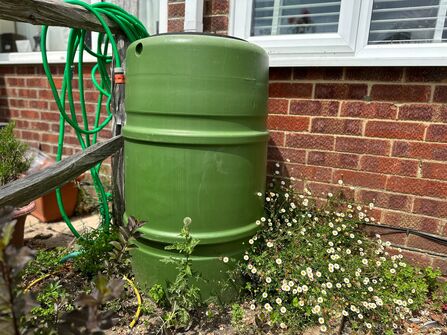
Collecting or harvesting rainwater is a great way to ensure you can water your plants during the summer without putting strain on the mains supply. According to the Royal Horticultural Society (RHS) even in dry districts, 24,000 litres (5280 gallons or 150 water butts) could be collected from the roof each year but water butts are still under-utilised. Rainwater is actually beneficial for plants, as it has a lower pH than treated tap water. The higher pH of treated tap water increases the pH around the root zone of plants which can cause issues for nutrient availability.
Treating tap water also uses a high amount of energy and is not necessary for the needs of local wildlife and plants. By harvesting rainwater and storing it in water butts you can conserve precious water, reduce local flooding, reduce water bills, and water plants when they need it the most! Ensure water butts are covered to avoid the build up of debris and wildlife from drowning. When looking for a water butt try places such as Facebook Marketplace which can be a cheaper alternative than buying new.
Wildlife ponds
According to The Wildlife Trust over 10% of our freshwater and wetland species are threatened with extinction in the UK and we’ve lost 90% of our wetland habitats in the last 100 years. Ponds play an integral role in supporting freshwater wildlife and even small ponds can support a huge diversity of life from amphibians, birds, hedgehogs and bats to beautiful invertebrates such as damsel and dragonflies.
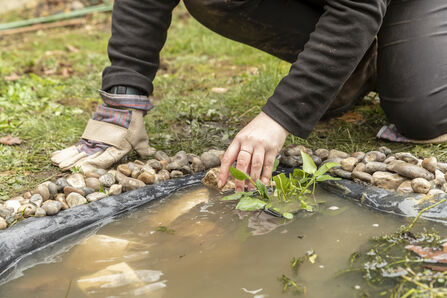
Mini ponds can make a great addition to allotment spaces, particularly as they can support natural garden pest controllers such as birds, hedgehogs and bats! By simply upcycling a watertight container (such as a washing up tub or old sink), adding gravel, stones, logs and a ramp, filling with rainwater (from your water butt!) and adding some native pond plants (try Lesser Spearwort or Miniature Waterlily) you can create a mini freshwater oasis which will quickly attract a diversity of wildlife. Avoid introducing frogs, fish or even water from other ponds as this can spread disease, plus fish eat the eggs of many of our native amphibians.
Whilst ponds are fantastic habitats, where you can, avoid collecting pools of additional stagnant water (unless in a covered water butt) as these can contribute to the spread of Usutu virus, a mosquito-borne disease which is fatal to our much-loved blackbird. By standing up wheelbarrows, plant pots and saucers, and instead diverting rainwater into a covered water-butt we can reduce the spread of the disease whilst still reaping the benefits of rainwater harvesting. Around ponds, natural predators will help to keep mosquito numbers in check and larger bodies of water are cooler and less attractive to mosquitoes. Therefore, keeping ponds but removing unnecessary areas of stagnant water will keep a perfectly balanced ecosystem.